Finley Ludwig · 10 November 2026
Lowerbeck Youth Create Digital Photo Archive Preserving Village History
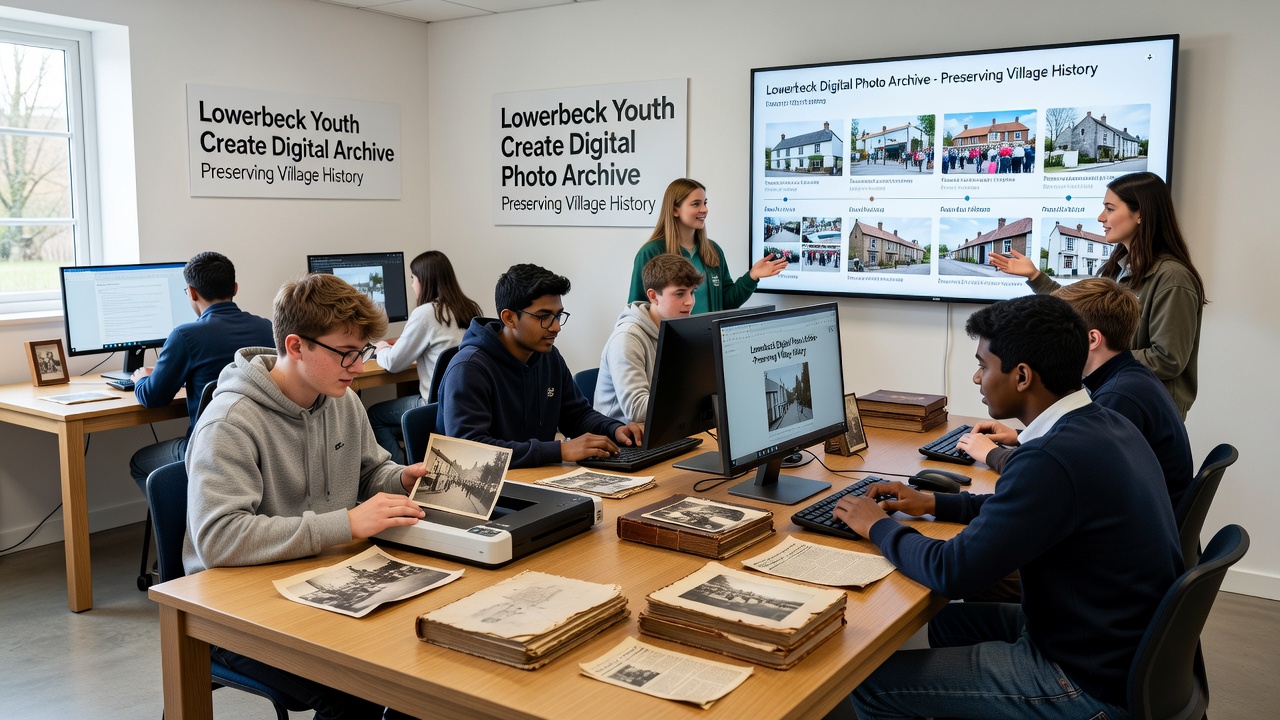
Lowerbeck youth launched a digital photo archive in November 2026 that compiles decades of village imagery into an accessible online collection, and this effort draws on contributions from local families who supplied prints, negatives, and slides spanning the early twentieth century to the present.
Participants ranging from ages twelve to eighteen organized scanning sessions at the village hall, where they used flatbed scanners and specialized software to convert physical materials into high-resolution digital files while they cross-referenced dates and locations with oral histories gathered from older residents.
Project Origins and Community Involvement
The initiative began when several secondary school students noticed gaps in existing village records during a local history assignment, and they formed a working group that expanded after parents and grandparents offered boxes of unlabeled photographs stored in attics and garages.
Coordinators established partnerships with the Lowerbeck Parish Council and the county records office, which provided training on metadata standards and file naming conventions so that each image received consistent tags for date, subject, and photographer when available.
One study revealed that similar youth-led digitization efforts in rural areas have increased public access to local heritage materials by more than forty percent within the first year of launch, according to findings reported by Library and Archives Canada.
Digitization Process and Technical Details
Volunteers sorted materials into categories such as farming practices, school events, and seasonal festivals before scanning, and they prioritized fragile items first to minimize handling damage while they worked in shifts that accommodated school schedules.
Software tools allowed batch processing of color correction and dust removal, yet team members reviewed every file manually to preserve original tones and avoid altering historical details such as faded signage or period clothing.
Storage relies on redundant cloud servers hosted by a regional heritage network, and backup copies reside on external drives kept at two separate village locations to guard against data loss from technical failures.
Content Highlights and Public Access
The archive now holds over twelve hundred images that document changes in architecture, land use, and community gatherings, and visitors can search the collection through a simple web interface that displays thumbnails alongside detailed captions.
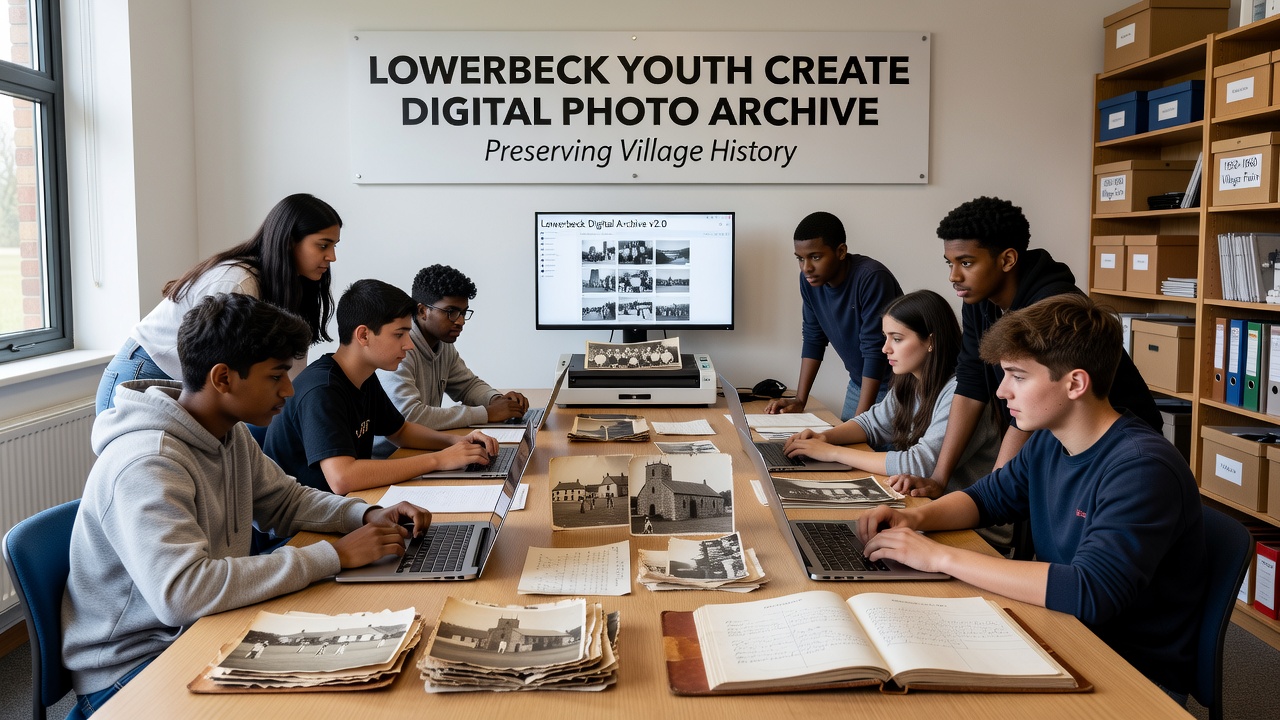
Examples include photographs of the annual harvest fair from the 1950s and images of the disused railway station before its closure, and these visuals connect directly to written accounts preserved at the county level.
Researchers at the University of Melbourne have documented how comparable digital archives in small communities support educational programs by allowing students to compare past and present landscapes without traveling to physical repositories.
Training and Skill Development
Adult volunteers from the local photography club taught basic image-editing techniques, while the youth group handled cataloging and outreach, and this division of labor let participants develop both technical competencies and project-management experience.
Weekly meetings tracked progress through shared spreadsheets, and milestones such as the completion of the 1950-1970 decade prompted public viewings at the village library where residents could suggest additional captions or corrections.
Future Plans and Expansion
Organizers plan to add audio recordings of interviews with longtime residents and to expand the collection to include moving images once equipment becomes available, and they have applied for small grants to cover ongoing hosting costs.
Links to related resources appear on the archive homepage, directing users to national guidelines on digital preservation that emphasize consistent file formats and regular integrity checks.
Conclusion
The Lowerbeck project demonstrates how youth involvement can accelerate the preservation of village history through systematic digitization, and continued community contributions will determine how comprehensively the archive represents the full range of local experiences over time.