David Jenkins · 15 September 2026
Lowerbeck's Beekeepers Report Record Honey Yields from Local Apiaries
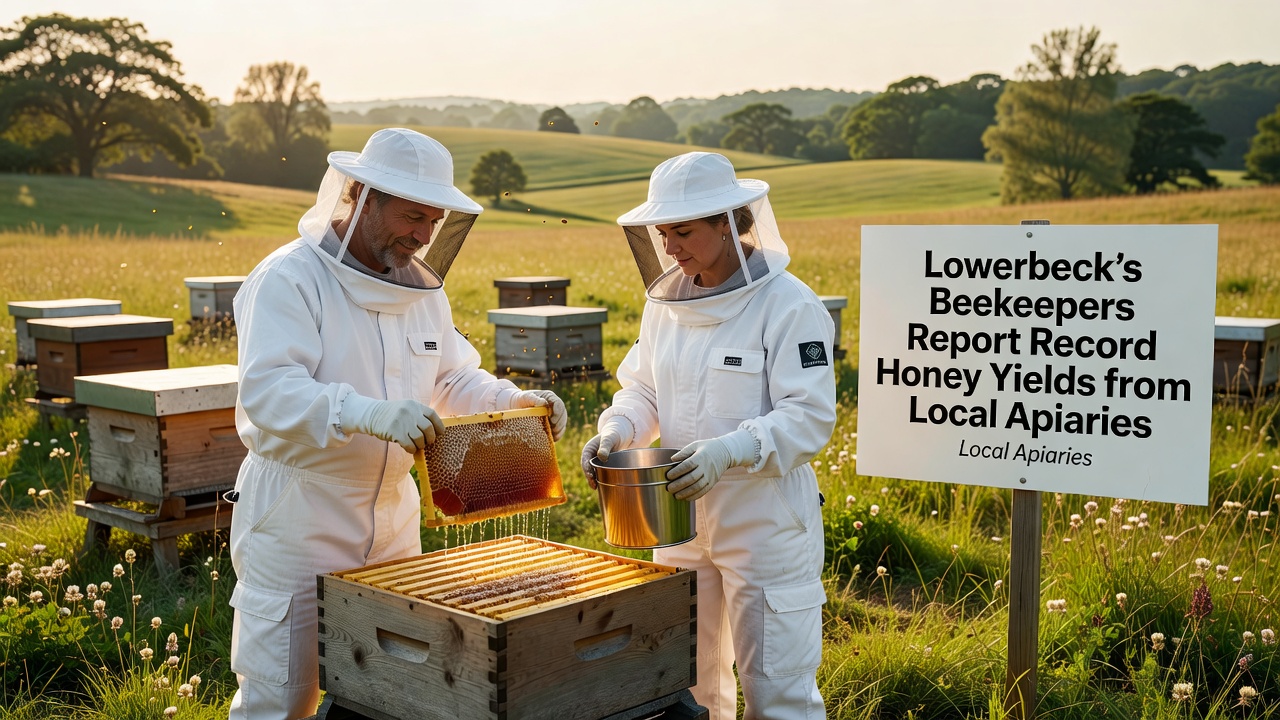
Beekeepers across Lowerbeck have documented record honey yields from apiaries throughout the village and surrounding countryside this season, with figures released in September 2026 showing production levels that exceed those recorded in any previous year. Data collected from multiple sites indicates average yields per hive have risen by more than 25 percent compared with the five-year average, according to records maintained by the Lowerbeck Beekeepers Association. Observers note that favorable spring weather combined with consistent forage availability created conditions that allowed colonies to build strong populations early and maintain high productivity through the summer months.
Local records show that several established apiaries produced between 45 and 60 kilograms of honey per hive, a range well above typical outputs reported in the region. Those who've tracked colony performance over multiple seasons point to the absence of major disease outbreaks and the strategic placement of hives near diverse flowering plants as key factors. In one case documented by association members, a cluster of hives positioned along the edge of a wildflower meadow yielded nearly 70 kilograms each, with the honey exhibiting a distinct floral profile that reflects the surrounding vegetation.
Factors Behind the Strong 2026 Season
Weather patterns played a central role in the outcome. Mild temperatures during March and April allowed queens to begin laying earlier than usual, while adequate rainfall in May supported a prolonged nectar flow from hawthorn and clover. Beekeepers who monitored hive weights weekly reported steady gains that continued into July, when lime trees and late-summer wildflowers provided additional resources. Researchers studying regional pollinator trends have observed similar patterns in other parts of the country, though Lowerbeck's combination of managed meadows and hedgerow restoration appears to have amplified the effect.
Management practices also contributed. Many keepers adopted varroa monitoring routines recommended by national health programs and timed their interventions to avoid disrupting peak foraging periods. Those approaches, drawn from guidelines issued by the Australian Department of Agriculture, helped maintain colony strength without excessive chemical use. In addition, several apiaries introduced supplemental feeding during brief nectar gaps in June, a step that prevented brood breaks and supported continued honey storage.
Community and Economic Effects
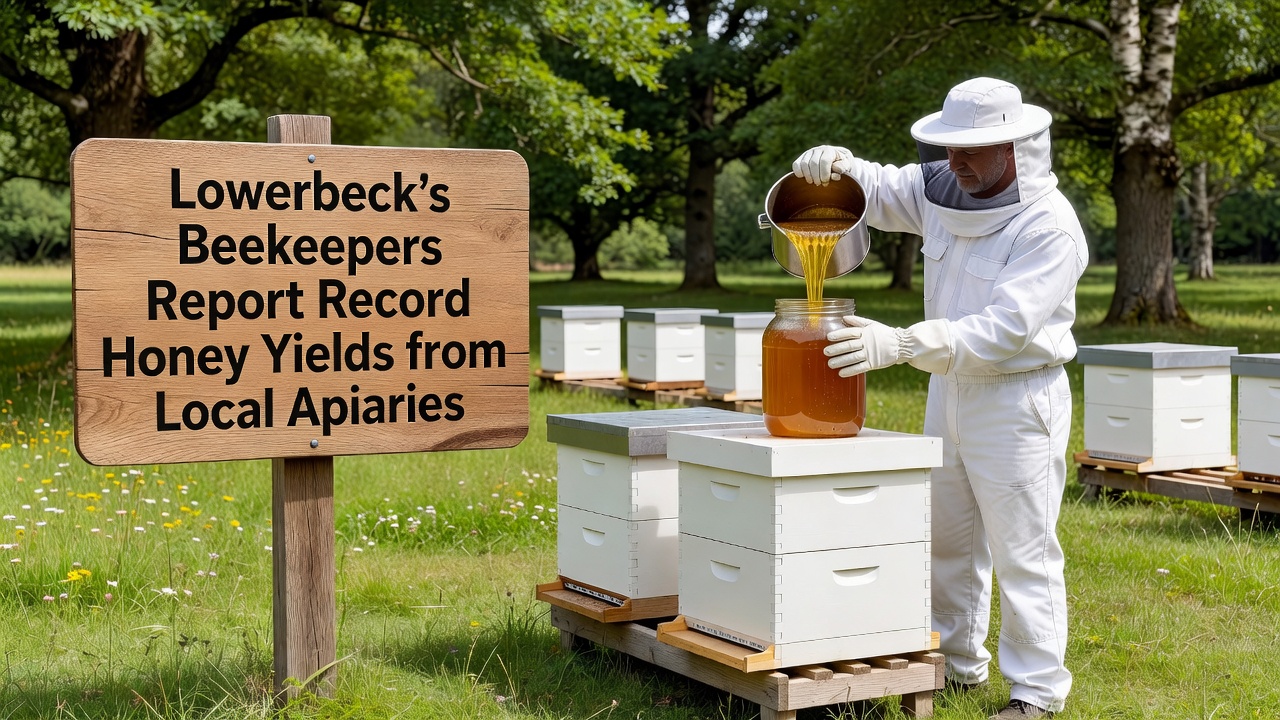
The increased harvest has already begun to affect local supply chains. Markets in the village center reported selling out of this season's honey within the first two weeks of availability, while online orders from neighboring towns doubled compared with 2025. Processors who bottle and label Lowerbeck honey for wider distribution note that they have expanded their contracts with local keepers to meet demand. The higher volumes have also supported related businesses, including those supplying woodenware, protective clothing, and extraction equipment.
Schools and community groups have incorporated visits to the apiaries into educational programs, giving younger residents direct exposure to beekeeping techniques. One study group from the village primary school documented hive activity over the summer and presented findings at a regional science fair, highlighting the connection between local land management and pollinator success. Data from these citizen-science efforts align with broader findings published by the Statistics Canada agriculture division, which tracks honey production trends across multiple provinces and notes similar gains where forage diversity is high.
Looking Ahead After the Record Harvest
Association members are already planning for the next season, with discussions focusing on expanding the number of monitored sites and sharing extraction equipment to reduce costs for newer keepers. While the 2026 yields set a new benchmark, those involved emphasize that continued success will depend on maintaining habitat corridors and staying vigilant against emerging pests. Weather variability remains a constant consideration, and several keepers have begun experimenting with drought-resistant forage mixes recommended by agricultural extension services.
Processing facilities in the area handled the larger volumes without major delays, thanks to advance scheduling and additional volunteer labor during peak extraction weeks. The honey itself shows consistent quality metrics, with moisture levels and color profiles meeting standards set by regional food authorities. Retailers report strong interest from buyers seeking traceable, locally produced products, a trend that has grown steadily over the past five years.
Conclusion
Lowerbeck's 2026 honey harvest demonstrates how coordinated local practices, favorable seasonal conditions, and access to diverse forage can combine to produce exceptional results. The data collected this year will serve as a reference point for future planning, while the economic ripple effects continue to benefit the wider community. As keepers prepare for the coming winter, attention now turns to colony health assessments and the steps needed to sustain momentum into 2027.